Looking for service learning lessons and community service projects for your classroom? Film is a powerful tool to excite students about service learning: it provides an intimate and engaging look at the work of contemporary activists, many of whom are young people themselves, who are making a difference in the world. Our films show students that positive change is possible and that they have the power to make an impact on the world around them in both large and small ways.
The National Youth Leadership Council (NYLC) defines service learning as an approach to teaching and learning in which students use academic and civic knowledge and skills to address genuine community needs. We’ve rounded up some of our best service activities in our recent film guides for your classroom use. Many of these lessons combine well together! We hope you’ll find them helpful for Volunteer Week (April), Volunteer Month in April, and all year round.
Several of these lessons and activities have an environmental theme that makes them great choices for Earth Month. Our curriculum guides include classroom-ready lessons for common core subjects across the curriculum: you can also collaborate on integrative learning centered on a film with teachers in other departments or coordinated across your whole school.
Service Learning with Film: New in 2026
The Scrap Discussion Guide suggests a range of ways to get involved in Circular Economies, Right to Repair activities, Upcycling and Urban Exploration. For grades 6-12, adult/higher ed.
The Power of Sports For Amputees Mini Discussion Guide explores expanding access and equity in adaptive sports. The extension activities include Community Mapping for Access, Policy Pathways Workshops, Shared Storytelling and Knowledge Exchange, and Adaptive Sports Conversations and Events. For grades 7-12, adult/higher ed. This is talso a powerful tool for HR departments, professional development training and community education.
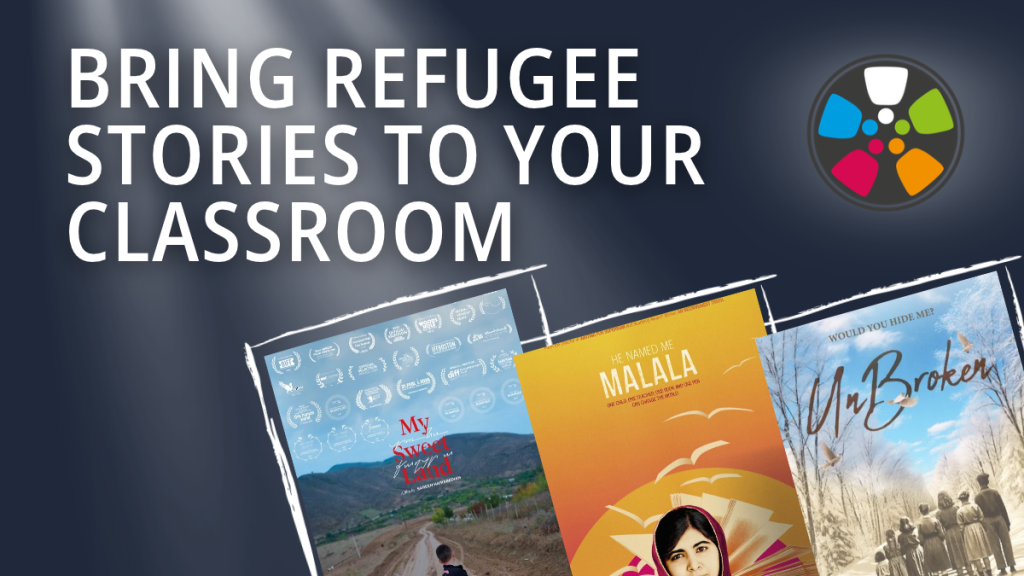
The UnBroken Learning Guide features two community service lessons. Lesson 1: Everyday Courage — The Impact of Upstanders explores Self-Care Through Community and features an extension activity about Oral History Interviews. Lesson 3: Empathy as a Practice – Listening, Reflecting, Acting includes an extension activity about holding restorative listening circles. For grades 6-12.
Service Learning with Film: Foundations for Community Service
Golden Age Karate is a five-minute short film about community service! This Mini Discussion Guide / Bell Ringer explores the values that underpin helpful work, and how to move from the personal outward to the community level to do community service. For grades 6-12, adult/higher ed.
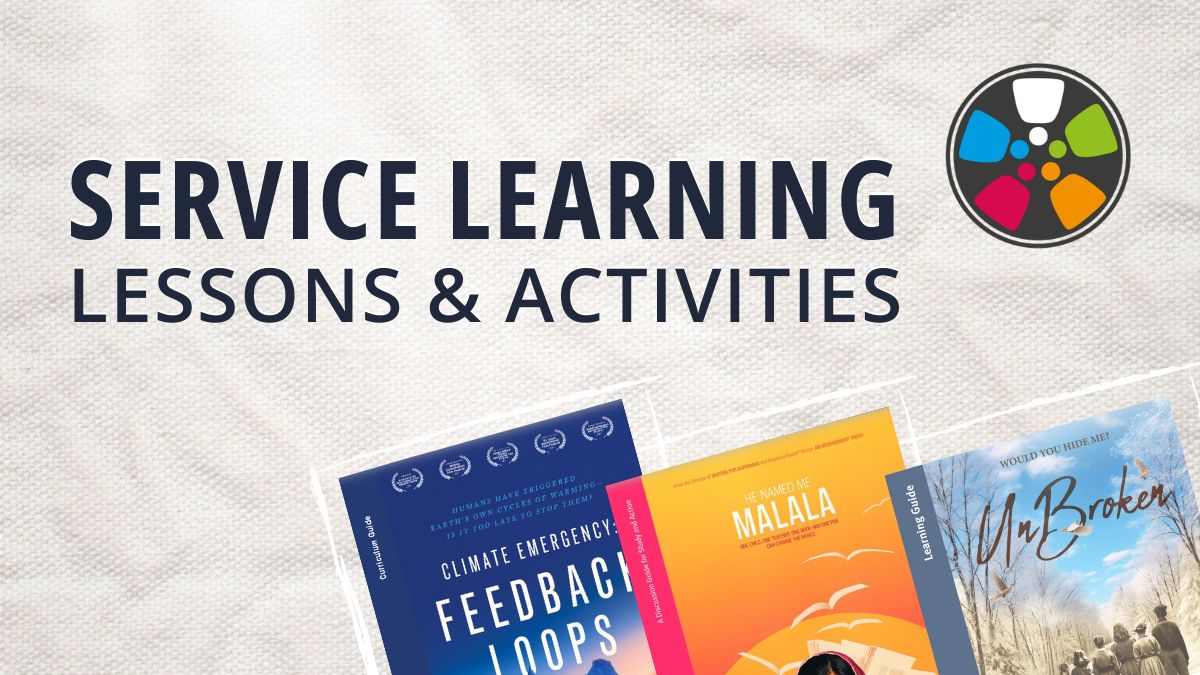
He Named Me Malala Lesson 5: Working for Change. This lesson equips students to critically evaluate people and organizations working for change; it’s a great lesson to pair with any of our service learning projects and with many social impact films. The lesson includes an extension activity where students design and host a community fair that allows nonprofit and education centers in their communities to explain and demonstrate their work. For grades 7-12.
Landfill Harmonic Lesson 3: Planting a Small Seed, Watching it Grow. This powerful 3-part lesson introduces students to the world of community service organizations, including what they are, how they operate, how to research them, and how to get involved and make a difference. The lesson also asks students how they want to change the world and supports them in taking action. This is another great foundational lesson to introduce students to community service work that pairs well with our other resources. For grades 7-12.
The Neighborhood Storyteller Discussion Guide: Grassroots Work, Life Skills, and Future Vision. This section introduces students to grassroots work and invites them to become changemakers in their communities. The broad focus of this section makes it a great foundation for service work that complements all of our service learning resources and also pairs well with our social impact films on every theme. For grades 9-12.
Service Learning with Film: Education & Gender Equity Service Projects
He Named Me Malala Discussion Guide: What Can You Do? This section includes 8 suggestions for service learning and community service activities to support Malala Yousafzai’s advocacy work for girls’ education. He Named Me Malala pairs well with The Neighborhood Storyteller. For grades 7-12.
Service Learning with Film: Environment & Climate Service Projects
Chasing Coral Lesson 3: Check Yourself preps students to connect with adults and synthesize information about consumption habits and the human-environment relationship. For grades 6-12.
The Chasing Ice Discussion Guides feature extension activities for how students can make a difference on climate change in their community and how to take action at their middle school, high school or university. For grades 6-12, college/adult ed.
Climate Emergency: Feedback Loops Lesson 5: Regreening. This upbeat, empowering lesson explores how students can be part of environmental change locally and globally. (It’s a great antidote to climate anxiety!) For grades 9-12.
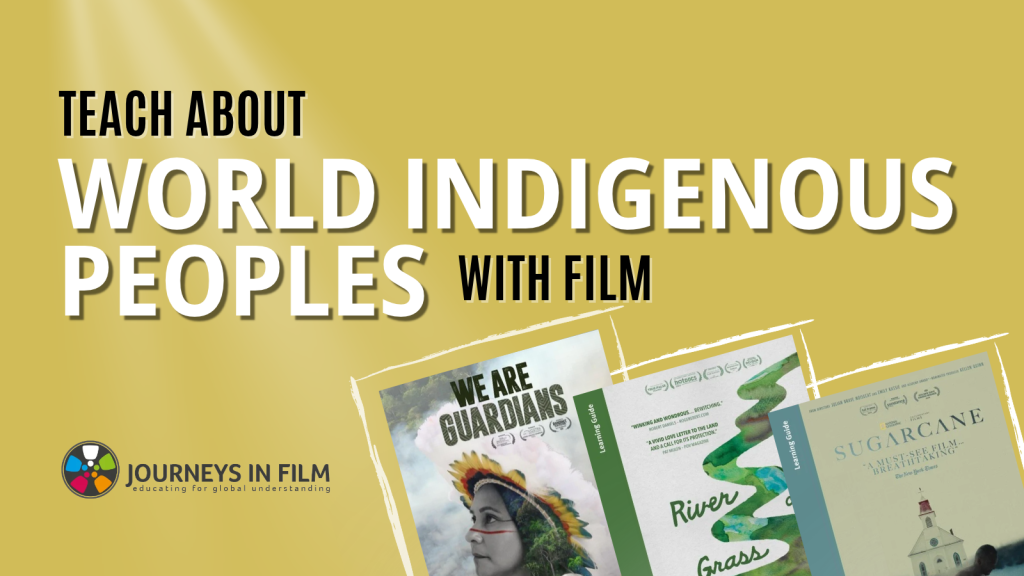
River of Gold Lesson 11: Next Steps: What Can We Do? This lesson invites students to help save the Amazon Rainforest by creating awareness campaigns about the damage caused by illegal gold mining in the Amazon. There’s also an option to hold a fundraising campaign. This lesson is a great introduction to awareness campaigns in general and pairs well with other service projects. For grades 9-12. This guide is also available in Spanish and Portuguese.
The Boy Who Harnessed The Wind Lesson 6: Helping the Children of Malawi. This lesson introduces students to the problems facing children in Malawi and what relief organizations are doing to help. Students will explore and evaluate the best partnership for bringing about change for children, and, optionally, get involved with an organization they have researched. For grades 7-12. This lesson pairs well with the Landfill Harmonic lesson about researching service organizations.
The Boy Who Harnessed The Wind Discussion Guide: What about You? Getting Involved. This discussion guide section includes suggestions for 4 service learning activities. You may find some of the Foundations for Community Service Lessons at the top of this article helpful to support these activities. For grades 7-12.
The Crisis Scientists Discussion Guide features extension activities about creating a climate resilience project to make your school or community more climate-friendly and interviewing community members affected by climate change. For grades 9-12, adult/higher ed.
The Wild Curriculum Guide explores how to get involved in community environmental projects to save what you love. For grades 6-12, adult/higher ed.
Youth v Gov Lesson 4: Climate Close to Home. This lesson supports students through writing a letter to their elected officials about climate-related policies. For grades 7-12.
Youth v Gov Discussion Guide: What Can You Do? Community Action and Engagement. This section explores community service in the context of climate justice, and asks students to consider what actions they find inspirational and what they find effective. For grades 7-12.
Service Learning with Film: Social Service Learning Projects
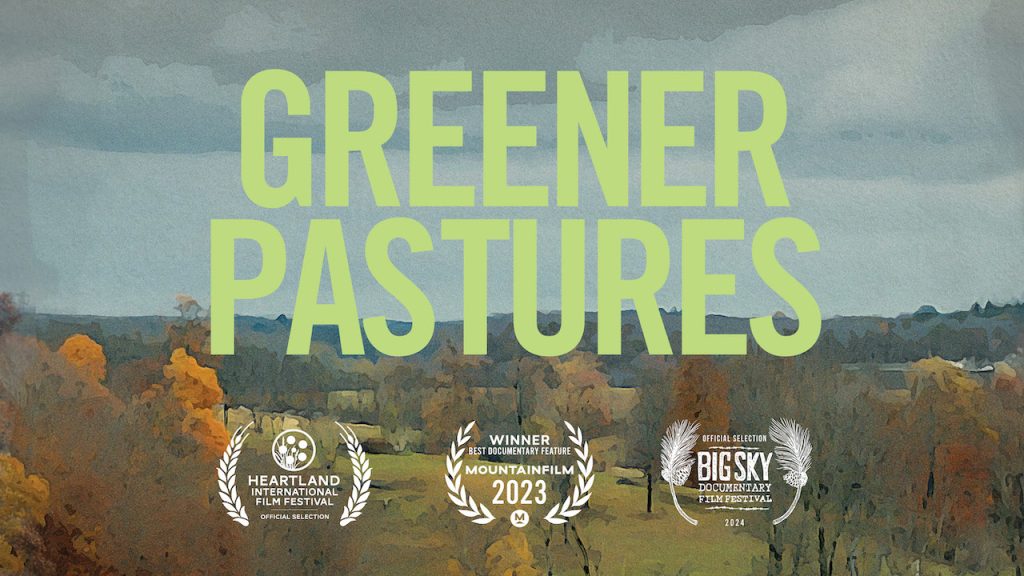
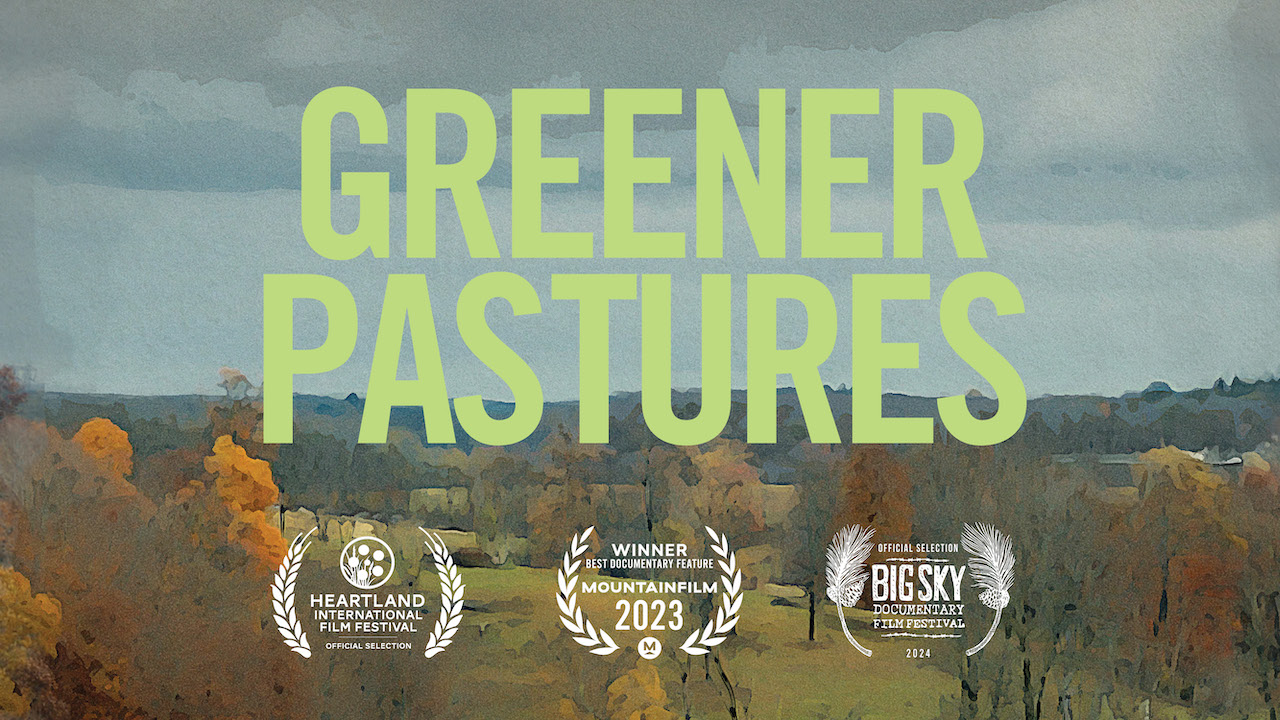
Greener Pastures Discussion Guide Moving Beyond a Rock and a Hard Place: Community Action and Engagement. This section suggests ways to get involved and make a difference in social issues explored in the film: mental health, rural healthcare access, food scarcity, supporting farmers, and regenerative agriculture. For grades 8-12. This guide is also available in Spanish.
The Resisterhood Learning Guide features a Personal Civic Action Plan Worksheet to guide students through identifying social issues in their community that they are passionate about and choosing concrete ways to get involved to make a difference. This Learning guide is for grades 10-12 and adult/higher ed, but the worksheet may be adapted to work with other grades.
The Fast Runner Learning Guide lesson on Resistance and Action includes an extension activity based on group projects to improve students’ school or community with a focus on upstanders. For grades 6-12.
Unzipped: An Autopsy of American Inequality Learning Guide: Looking Ahead: Hope and Possibilities. This guide explores the driving question of how students can contribute to improving housing in their communities, on a statewide, national, or even international level. This section invites students to play a role in transforming the systemic barriers that create affordable housing, homelessness, and housing insecurity. The guide includes powerful information on housing solutions, blueprints for moving forward, and additional resources. For grades 9-12.
Would you like us to partner with you for educational engagement or professional development about the films mentioned in this article or other resources in our library? Contact us!
Related Resources
Are you making the case for including service learning in your school or organization? Check out this Edutopia article by Amy Meuers, CEO of the National Youth Leadership Council: Developing SEL Skills With Service Learning — Service learning provides a way for students to grow their social-emotional learning skills while helping their community.