Genocide education is more urgent and timely than ever. We recommend the following films and teaching guides to support you in mindfully teaching Genocide education through film. These materials are appropriate for elementary school, middle school and high school; they can also work well for higher education, adult education, public screenings and community group settings.
Genocide Education: Instructional Foundations
Our webinar about Anti-Bias Education: Using Media to Foster Critical Thinking and Combat Antisemitism and Islamophobia sets you up for success with Holocaust Education and Genocide education. The session provides an overview of anti-bias teaching tools and as well as strategies for dealing with difficult classroom situations around these topics. This webinar is available free and on-demand through Share My Lesson. Participants can quality for one hour of PD-credit. Learn more about our Anti-Bias Education Webinar.
We also offer Facilitation Guidelines to create safe discussion spaces and lead productive explorations of difficult topics. These guidelines pair well with our film guides for classroom use. The guidelines apply to a wide range of settings and are free for everyone.
Our Francesco Curriculum Guide contains a powerful lesson on Genocides Past, Present and Future. Available in English and Spanish. For grades 11 and 12.
The Fast Runner is a narrative short film about a Polish girl coming of age at the start of the Holocaust. The educational resources of this film explore Dehumanization and Extremism, and Bystanders v. Upstanders. For grades 6 and up.
Genocide Education: First-Person Stories
To help your students understand the impact of the Holocaust as an example of a historic Genocide, consider using a film that focuses on an individual caught in the maelstrom of Nazism.
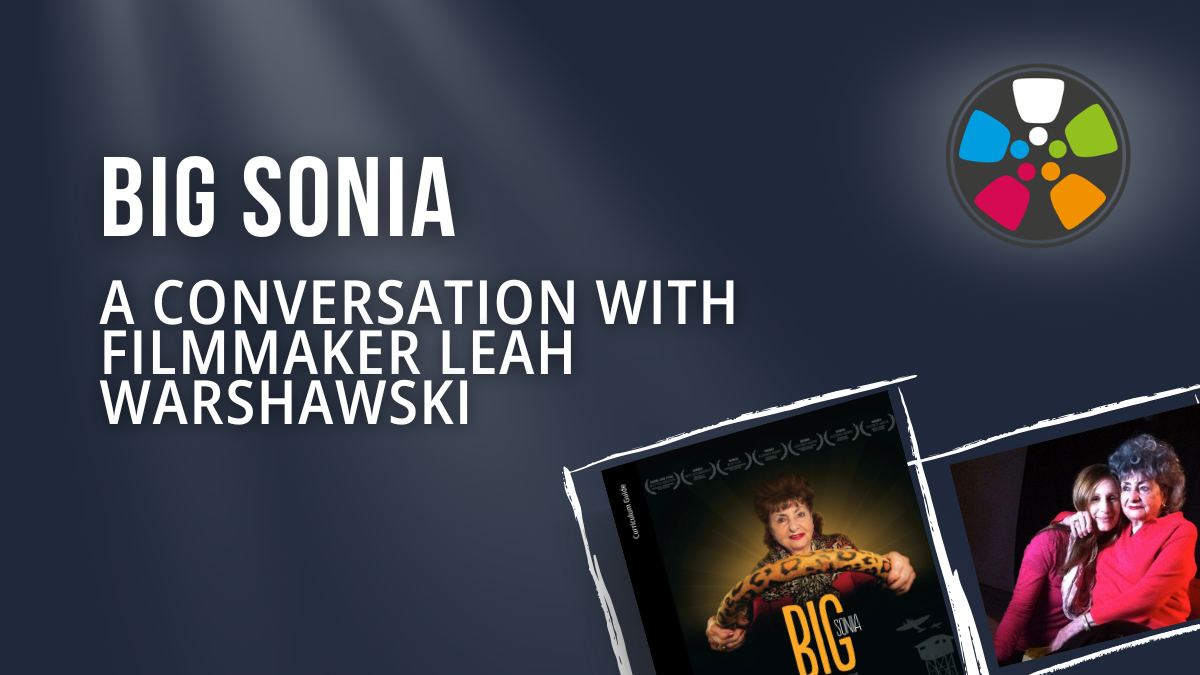
Big Sonia is about Holocaust survivor Sonia Warshawski, who was a Jewish teenager living in Poland when the German army invaded in the 1930s. She’s a woman who speaks to students and prison inmates about her story of unimaginable suffering — and she’s also a beacon of hope and resilience. For grades 7 and up.
Defiant Requiem: The Film is about a unique chapter in Holocaust history when prisoners used music and the arts to sustain their spirits and resist oppression at Terezín concentration camp. This film can be difficult to find but it makes a powerful teaching tool when it is available. For grades 6 and up.
Schindler’s List is a powerful Genocide Education tool in its own right. Our Schindler’s List curriculum guide also includes our newly updated lesson about Antisemitism in the contemporary world. The Antisemitism Today lesson works as a standalone teaching resource and can also pair with other Holocaust and Genocide Education resources. You can download Antisemitism Today its own from our Schindler’s List page and also from Share My Lesson. For grades 9 and up.
UnBroken presents the miraculous true story of the seven Weber siblings, ages 6-18, who evaded certain capture and death, and ultimately escaped Nazi Germany relying solely on their youthful bravado and the kindness of strangers, following their mother’s incarceration and murder at Auschwitz. The UnBroken Learning Guide includes three handouts: a primary source-rich handout focused on the Ringelblum Archive, an Empathy Map, and a Self-Care Wheel. For grades 6-12, adult/higher ed.
Genocide Education: Expand the Scope
Our And So It Begins Learning Guide explores Journalism, Disinformation and Social Media, a valuable resource for discussing contemporary genocides. Available in English and Spanish. For grades 8 and up.
Our Curriculum Guide for The Music of Strangers: Yo-Yo Ma & The Silk Road Project features an engaging lesson on Cultural Preservation that is relevant to Genocide discussions. For grades 7 and up.
Our Navalny learning guide includes a powerful lesson on Online Propaganda that pairs well with our Antisemitism Today lesson (above) for bringing Genocide Education into the present moment. For grades 9 and up.
Our step-by-step Holocaust Education Toolkit can help educators teach the Holocaust authentically, inspire empathy, and honor the lessons of history. Get this comprehensive guide on how to Teach Holocaust Education with Film at Share My Lesson: Teaching Holocaust Education with Film.
We hope these resources can support you in honoring those whose lives were lost to genocides, honoring survivors and their families, and committing to education, remembrance and prevention.
Teach Genocide Education with Film: Important Dates
Genocide education remains timely and urgent. Teachers, especially history and social studies teachers, may want to teach with holocaust education films on important dates in Genocide history:
- Jan. 27—International Holocaust Remembrance Day
- Feb. 1-7—World Interfaith Harmony Week
- March 1—Zero Discrimination Day
- April—Genocide Awareness Month (U.S.) and Genocide Remembrance, Condemnation and Prevention Month (Canada)
- April 23-24, 2025—Holocaust Remembrance Day or Yom Hashoah. (The date varies each year.)
- May 8—Time of Remembrance and Reconciliation for Those Who Lost Their Lives During the Second World War
- June 18—International Day for Countering Hate Speech
- Aug. 11-12—Anniversary of the 2017 white supremacist rally in Charlottesville, Va. (This event is referenced in the Journeys in Film Antisemitism Today lesson.)
- Aug. 22—The International Day Commemorating the Victims of Acts of Violence Based on Religion or Belief
- Aug. 23—European Day of Remembrance for Victims of Stalinism and Nazism
- Oct. 27—Anniversary of the Pittsburgh Tree of Life synagogue Shooting. (This event is referenced in the Journeys in Film Antisemitism Today lesson.)
- Nov. 9—International Day Against Fascism and Antisemitism
- Nov. 9-12—Kristallnacht
- Dec. 9—International Day of Commemoration and Dignity of the Victims of the Crime of Genocide and of the Prevention of this Crime
- Dec. 10—Anniversary of the 2019 Jersey City, N.J., shooting at a kosher grocery store (This event is referenced in the Journeys in Film Antisemitism Today lesson.)
Get Updates
Don’t miss out! Get notifications about launches of new Holocaust Education resources and other new materials. Sign up for our newsletter.