We have resources to help you honor veterans’ voices and bring oral history and historical stories to life for Veterans Day and all year long! We are pleased to offer several Journeys in Film curriculum guides, film discussion guides, and other resources to support you in teaching about veterans and about World War II.
Honor Veterans: New Resources 2026
Bomber Boys: World War II Flight Jacket Art
This engaging book features beautiful photographs from award-winning photographer John Slemp. He photographed A-2 jackets worn by pilots in WW2. This book is the most comprehensive visual record of A-2 jackets ever produced. Further, it includes pilot stories and anecdotes. Our teaching resources include:
- Materials for teaching Oral History and video links to veteran testimonies
- Oral History Handouts and Worksheets
- World War II/A-2 Jacket Visual Timeline
- Material Culture Handouts and Resources
- Resources for teaching about the Women Air Force Service Pilots who served in World War 2
This is a valuable resource that honors veterans’ voices. Additionally, it speaks to the power of the past to inform our understanding of the present. There is a special discount code for educators for this beautiful, large format book. Visit the book website and use: TEACHBB at check out for $30 off!! (This book would also be an excellent gift for a WW2 Veteran in your life or a WW2 history buff!)
▶ Learn more about teaching with Bomber Boys: World War II Flight Jacket Art and get our FREE teaching resources, including multiple ready-to-go handouts and worksheets.
Honor Veterans: The Tuskegee Airmen
The Tuskegee Airmen: Return to Ramitelli is an engaging WWII History film. It useful for teaching with primary sources about Black History, Civil Rights, History, Social Studies, US History, and World History.
Narrated by Darius Rucker (the lead singer for Hootie and the Blowfish), the film weaves together archival footage, veteran interviews, family reflections, and visits to historic sites. Additionally, the film highlights the military achievements and personal sacrifices of the Tuskegee Airmen. It Return to Ramitelli is both a history lesson and a reminder of how stories of resilience and excellence continue to inspire new generations.
Learn more about teaching with The Tuskegee Airmen: Return to Ramitelli and our free discussion guide for the film. (The film’s running time is under one hour so, in most cases, it can be shown in one class period.)
Honor Veterans: Women Serving in World War II
Breaking Enigma: A World War II Game Changer
Breaking Enigma: A World War II Game Changer is an exciting WWII History film that is also useful for teaching with primary sources about Computers and IT, History, Social Studies, Women’s History, Women in Computing, and World History. This film highlights the contributions of women in service of code breaking during World War II alongside the men also involved with this important work.
Learn more about teaching with Breaking Enigma: A World War II Game Changer and our free discussion guide for the film. (The film’s running time is under one hour so, in most cases, it can be shown in one class period.)
Her War, Her Story: World War II
In Her War, Her Story: World War II, the individual stories of more than two dozen women provides a view into the role of women in one of history’s most violent conflicts, from the perspectives of those who served, witnessed, or were caught up in a war that proved women were the equal of men when it came to patriotism, service, or in some cases, self-preservation during crises that called for steadfastness. This film highlights not only women veterans who served in World War 2, but also examines the larger impact of the war on women.
Learn more about teaching with Her War, Her Story: World War II and our free discussion guide for the film. (This film is also under one hour.)
Honor Veterans: D-Day
Day of Days: June 6, 1944 tells the story of D-Day, recalled by the veterans who landed on the French shore. The film features archival footage and seeks to bring the events of that day to life in dramatic and emotional ways. Most of the enlisted soldiers were young and scared as they dropped from the sky or arrived by boat at Omaha and Utah Beaches, unsure of their survival and the efficacy of their mission.
This is a a war documentary that deals with the realities of armed conflict. The film is officially rated for ages 13+ but we recommend it for age 15+. Educators should watch the film to assess its suitability for their learners.
Intergenerational Viewing!
We also recommend these documentaries and the rest in our World War II Lesson Collection as recommended for international viewing. These films and their discussion guides are appropriate for classroom learning, libraries, homeschooling and more!
Related Resources
Get Updates
Don’t miss out! Get notifications about launches of new AAPI Heritage resources and other new reaching materials. Sign up for our newsletter.
We’re pleased to introduce our collection of Acts of Reparation Teaching Resources, new at Journeys in Film!
In Acts of Reparation, two friends — one Black, one white — travel south to their ancestral lands to explore what reparations means to them. From kitchen tables to porches, lost cemeteries to discovered diaries, their journeys lead to unexpected opportunities that transform their friendship, families and communities. Together they reclaim and reckon with their roots and find that small acts can lead to big change.
Get these resources now from the Acts of Reparation page in the Journeys in Film Resource Library — or keep reading to learn more!
Acts of Reparation Teaching Resources FAQ
Why Use Acts of Reparation Teaching Resources In Your Classroom
Acts of Reparation is a powerful way to bridge the past and the present. It brings history to life through the experiences of individuals today seeking to look back at painful aspects of the U.S. History and repair — together.
These resources also provide opportunities for learning around primary sources and the archive as well as engagement with the topics of allyship and action. We feature community service learning elements as well as activities around historical inquiry.
Tell Me More About These Resources
We created both a Learning Guide with multiple sections and a Lesson Plan for Acts of Reparation. In both, we focused on handouts, worksheets and printables to encourage in-class pen and paper engagement for students. The lesson plan is Project-Based and aligns with key common core standards listed in the lesson plan.
Handout examples include:
- Empathy Map
- Researching Narratives Handout
- Listening Skills Handout
- Primary Source Detective Handout
- Historical Inquiry Handout
- Project Planners
- Reflection Journal Handout
What Ages Are These Resources For
Acts of Reparation is not rated. We recommend it for ages 14 and up. The Learning Guide is appropriate for classroom use as well as community learning and is easily adaptable for collegiate and adult learning opportunities. The Lesson Plan is appropriate for Grades 9-12.
Who Should Teach with Acts of Reparation Teaching Resources
The Acts of Reparation Teaching Resources are suitable for classes in: Civics, Community Service Learning, History, Social Studies, and US History.
Where Can I Watch This Film
Get the latest information on where to watch from the Acts of Reparation listing in the Journeys in Film Resource Library.
Where Can I Get the Acts of Reparation Teaching Resources
Get your free copy of these teaching resources from the Acts of Reparation page in the Journeys in Film Resource Library and learn more about teaching with this powerful and inspiring series.
Where Can I Get More Related Resources
Our Windows and Mirrors Media Literacy Activity gives students a way to consider if the perspectives of underrepresented and marginalized people are included in their media diets.
You can also check out our related resource collections for teaching with film about: Black History
How Can I Do Professional Development Related to this Series
Acts of Reparation filmmakers Selina Lewis Davidson and Macky share their experience with archival research and working with the Library of Congress and other archival tools in a live presentation for the Uncovering and Amplifying Untold Stories webinar. Learn more and register for the series: Stories That Connect: Using Film and Primary Sources to Build Belonging
What if I’m New to Teaching With Film
Check out our Teacher Toolbox to make teaching with film fun, easy and effective.
How Can I Share Feedback
If you are teaching with this film, we would love to hear how it works for you and your students. Please get in touch with us by using our contact form.
How Can I Get Updates About New Resources
Don’t miss out! Get notifications about launches of new teaching tools and professional development opportunities. Sign up for our newsletter.
As educators and communities seek to highlight Black history during the month of February, we want to highlight our free curriculum guides and discussion guides for powerful films for your classroom. These films tell important stories of Black joy, Black history, Black resilience, Black achievement and much more. Teaching with film for Black History Month, or at any time of the year, engages students and brings important stories that shape our world to light.
Among our most popular resources are our curriculum guides for Hidden Figures, Just Mercy, and Summer of Soul. All three of these films are award-winning films that tell important true stories of Black History in the U.S. Our Hidden Figures curriculum guide features 8 lesson plans with lessons about U.S. History and Civil Rights as well as STEM lessons to engage students with math and science learning.
Further, for Just Mercy, in addition to lessons teaching U.S. History, Civil Rights, U.S. Government and Civics, we offer an independent student learning packet. Additionally, many educators pair this film and our resources with their teaching of To Kill A Mockingbird.
Finally, for Summer of Soul, which tells the powerful story of the Harlem Cultural Festival of 1969, we created a six lesson core-based curriculum guide. Lesson 3 in that guide, entitled 1969: A Unique Year was named Share My Lesson’s #1 partner resource of 2022.
All of these resources are completely free to download. Simply visit our library, click on the film and follow instructions to add these free resources to your cart. You click here to browse our library of free resources: https://journeysinfilm.org/library/.
Black History Lessons
Update June 2026 — New Resources!!
In Acts of Reparation, two friends — one Black, one white — travel to their ancestral lands to explore what reparations means to them. From kitchen tables to porches, lost cemeteries to discovered diaries, their journeys lead to unexpected opportunities that transform their friendship, families and communities. Together they reclaim and reckon with their roots and find that small acts can lead to big change. Acts of Reparation is a powerful way to bridge the past and the present. It brings history to life through the experiences of individuals today seeking to look back at painful aspects of the U.S. History and repair — together.
Furthermore, these resources provide opportunities for learning around primary sources and the archive as well as engagement with the topics of allyship and action. In addition to rich Social Studies content, we also include community service learning activities These guides include multiple handouts and worksheets of use for historical inquiry, empathy mapping, and more.
Get these resources now from the Acts of Reparation page in the Journeys in Film Resource Library.
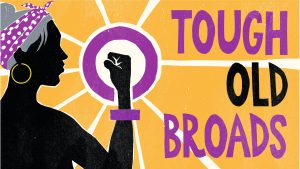
Tough Old Broads
Tough Old Broads follows three trailblazing women broke barriers in their time and continue to pursue their passions to this day, including Sharon Farmer, the first woman to serve as Chief White House Photographer.
Sharon Farmer started taking photos in the early 70s during the campus riots and civil rights protests at Ohio State University. She was the first woman and first person of color to serve as the Chief Official White House Photographer for Bill Clinton. Moreover, Sharon continues to fight for social justice. She uses photography to shine a light on the realities facing many Black woman in the United States.
In addition to introducing viewers to Sharon Farmer and other inspirational Tough Old Broad role models, the film presents a great springboard for conversations about reducing inequalities, Black History, and social-emotional learning (SEL) about following your dreams.
Learn more about teaching Black History with Tough Old Broads and get this Discussion Guide.
Expanding the Canon with Film for Black History Month
Looking for individual lessons for teaching Black history? Check out our brand new Black History Lessons collection, with classroom-ready individual lessons for teaching US Black History and Global Black History. This collects all of our Black History teaching resources in one convenient place. Check it out to stay up to date with our newest releases for teaching Black History across the curriculum.
We’ve added a new Disney feature film to our Black History collection: Chevalier. This narrative film is based on the true life story of Joseph Bologne, Chevalier de Saint-Georges, a renowned fencer, violinist. He was the first Black classical music composer in France, and he took the court of Marie Anoinette by storm. Our Chevalier Discussion Guide provides a springboard for engaging discussions about Race and Identity, Women and Patriarchy, and also Bologne’s legacy and the French Revolution. You can also check out this blog post on Share My Lesson, Teaching about Joseph Bologne and Amplifying Hidden Histories.

More Films to Inspire Your Students
Additionally, Disney’s narrative film Queen of Katwe, featuring Lupito Nyong’o, tells the true life story of Phiona Mutesi, a 9 year-old chess prodigy from Kampala, Nigeria. Our discussion guide for this film helps students dive into Phiona’s story and connect with her inspiring life journey.
Finally, another of our most popular educational resources is our free curriculum guide for The Boy Who Harnessed the Wind. This is a powerful narrative film that tells the true life story of William Kamkwambe. William saw a need in his village in Malawi and used education and innovation to meet that need. Our rich six lesson curriculum guide for this film features powerful STEM lessons with hands-on activities, Environmental Science lessons, ELA lessons, World History and much more.
Thus, no matter what subject area you teach, our library has something for you and all of our resources are free!

Free Webinars for Teaching with Film for Black History Month
Through Share My Lesson, you can watch, on demand, our webinars for many of the curriculum guides we’ve featured in this blog. Here is a list, with links to all of the relevant free webinars available through Share My Lesson.

Written by Jennifer Fischer
Updates by SJ Evans
