As an educator, recent classroom experiences have reminded me of the power of curiosity in the classroom as a tool to help students find their voice. Something that comes up often is how the use of Artificial Intelligence (AI) undercuts exploration, inquiry and learning. When the process of learning is outsourced, students miss the opportunity to build cognitive stamina and critical problem solving skills. Instead of being present and in community through conversation and debate, student attention is focused on the role of prompt engineer. Furthermore, students miss out on some of the most impactful and enjoyable aspects of education, which come through the inquiry process.
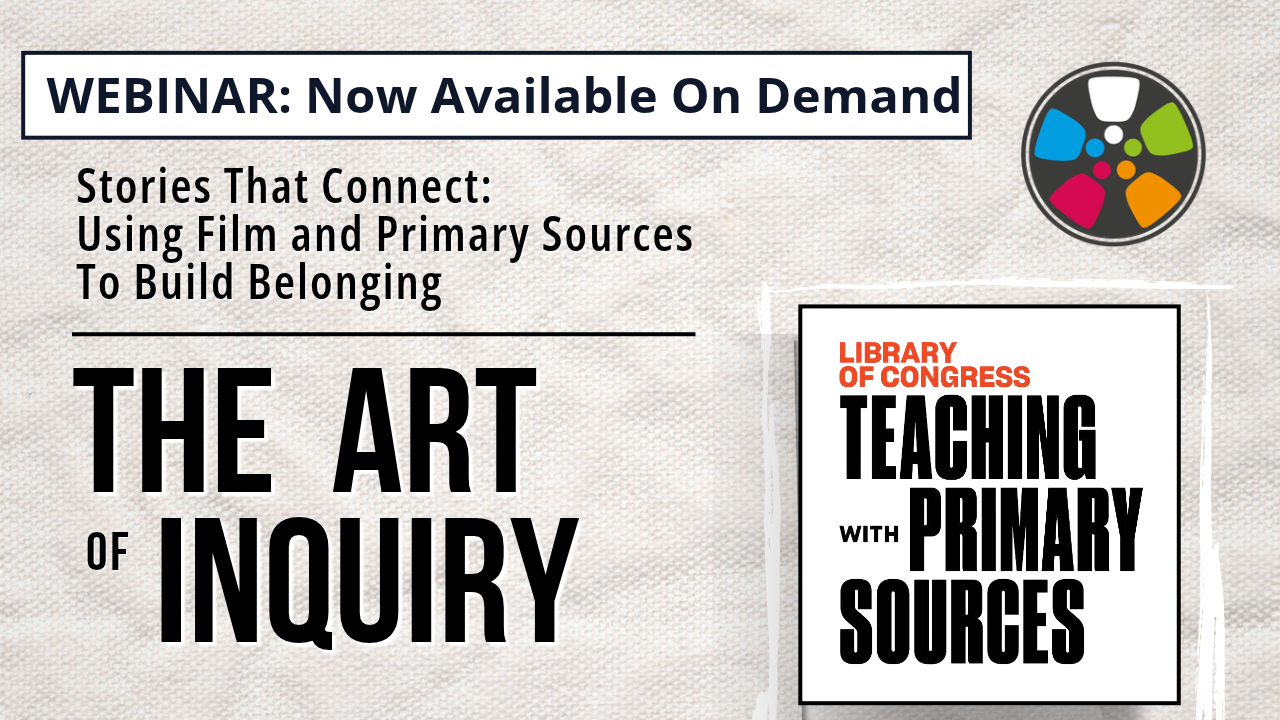
The recent JIF webinar, The Art of Inquiry, part of their webinar series Stories that Connect: Using Film and Primary Sources to Build Belonging, offered a refreshing and inspirational look at supporting curiosity and project-based learning (PBL). The series emphasized the use of film and the Library of Congress‘s vast collections and curated databases for Project-Based Learning.
Highlights of The Art of Inquiry Webinar
The webinar opened with a reminder of why film is a powerful medium to build empathy in viewers. Presenters also emphasized how teachers should strive to offer students both windows and mirrors in content presented in the classroom.
Dr. Rudine Sims Bishop’s framework posits that students’ literacy thrives when they engage in “mirrors,” and “windows.” Mirrors are media where students see themselves reflected. Similarly, windows are media presenting an expansive understanding of the world. Originally developed by Bishop for elementary students, this is a concept I use effectively with college students. We create media audits that support robust and reflective conversations about the stories we consume and the power of representation.
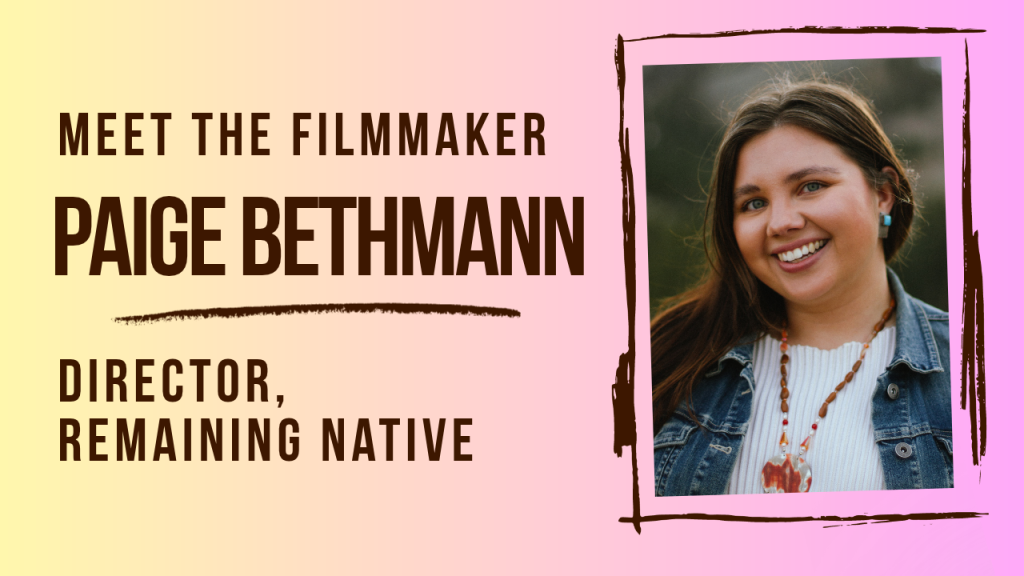
Particularly powerful was the interview with filmmaker Samantha Ramirez-Herrera about her recent short film El Regresso (The Return). She discussed the curiosity that drove her research and creative process of making her film. She also spoke of the power of representational storytelling. Further, she referenced the pitfalls and fatigue of making one’s representation a central part of their identity. Her interview is a strong voice to add to communities discussing these issues. It also offers a real-world model of the power of inquiry to create meaningful work beyond the classroom. A post-interview discussion highlighted the singularity of one’s voice. Discussion looked at how using AI to outsource thinking, style, and final products can be an abdication of personal power.
Cultivating Curiosity in the Classroom
The cultivation of curiosity in the classroom is tricky when instructors feel pressure to cover specific content. This can often leave little room for exploration or discovery. Another challenge is an environment that often conditions students to focus on grades. A key to fostering a curious classroom starts with the teacher embracing their own curiosity. Then, educators can model, via performed metacognition, how inquiry works. In this process, students can see what it means to grapple with questions, research, and eventually presentation of their findings. This project-based work can transform classrooms into vibrant learning communities.
Hershawna Frison, Director of Education at Journeys in Film, walks webinar participants through a hypothetical project using the film The Wizard of Oz. This film serves as an inquiry portal. She then usiesthe Library of Congress’s extensive collections to pose questions and research primary sources. Finally, she highlights potential projects to share with a community that could extend past the classroom.
This example felt like a call to action for me as a teacher to honor and elevate the work my students are doing by finding ways to let it live beyond our class time. I left the webinar with inspired ideas bubbling up.
Maybe my class will create and distribute a zine about our ideas on campus. Or maybe we’ll present our attentional, place-based, group poem on the local TV access station. We might invite another class to collaborate. As I reflect on my fall semester this holiday break and begin planning for spring, I expect to pull ideas from this webinar. It supports my continued quest to create and advocate for my students’ individual curiosity and train of inquiry.
An ending prompt posed to the participants was to name what we as educators are curious about. I appreciate that reflective question. It is a great place to start as we design lessons and projects with our students based on shared respect for questions and exploration.
Experience the Webinar
The Art of Inquiry webinar is now available On Demand on Youtube.
About the Author
Amy Bowers is a college English professor in New Haven, Connecticut, where she uses film and project-based learning to help her students find and wield their voice. She also writes film guides on occasion for Journeys in Film. Amy previously wrote about Windows and Mirrors on the Journeys in Film blog. You can read that article here.