Crip Camp
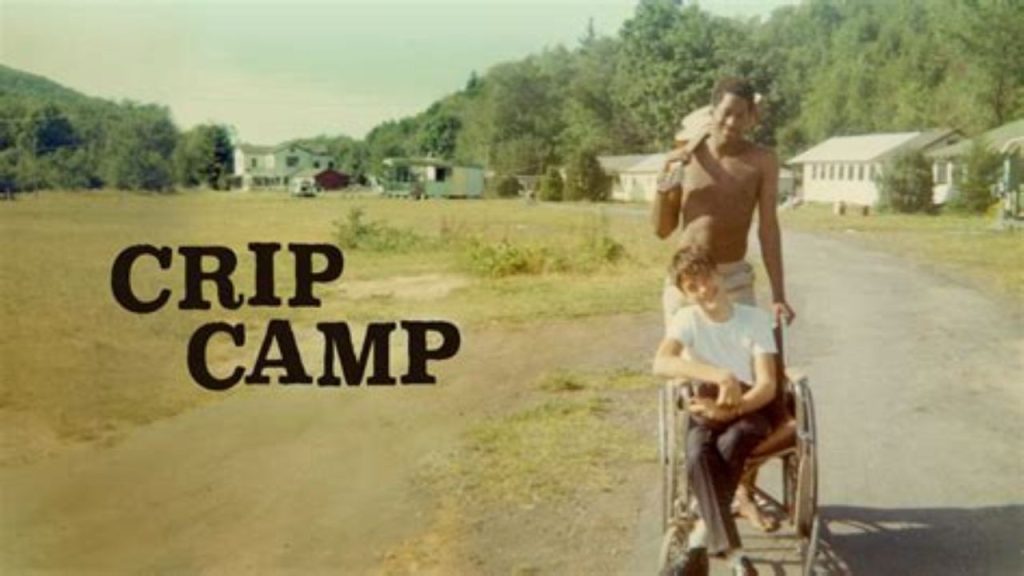
Crip Camp: A Disability Revolution provides an opportunity to explore the history of U.S. disability activism, culture, and history. It is also a powerful...

Our Bell Ringer / Mini Discussion Guide for The Power of Sports for Amputees explores the framing of ability and disability, the healing power of sports, obstacles and access in adaptive sports, and inclusion and belonging in the workplace.
The short, printable guide features questions for discussion, writing or private reflection; a glossary of useful terms; extended learning activities with a focus on community service to translate insight into action; and additional resources. It is available as a downloadable, printer-friendly PDF with fillable forms for smart boards/computers and also as a Google Slideshow..
This is a great teaching resource for health, physical education, and service learning classes. It’s also a powerful tool for HR departments, professional development training and community education about disability, inclusion, and anti-bias education.
The 46-minute documentary The Power of Sports for Amputees shows how amputee athletes live life without limits. Through interviews with athletes, coaches, families, clinicians, and policy advocates, the film reveals how physical activity is far more than recreation; it is a pathway to dignity, belonging, and human rights.
At its core, the documentary examines how ableism and systemic inequities shape the lived experiences of people with limb loss. Despite the proven physical and psychological benefits of sports, most insurance policies classify sport-specific prosthetics and adaptive equipment as “luxuries,” leaving athletes and families to fight for access through grants, advocacy, and legislation.
The film reveals how these financial and institutional barriers restrict not only mobility but also opportunity, identity, and belonging. It celebrates adaptive athletics as a force for inclusion and healing, transforming what was once perceived as limitation into strength, purpose, and community.
To create safe space and equip participants for respectful and productive discussions about this film, we also recommend:
Important Dates: These resources work well for National Girls and Women in Sports Day (February 4), Limb Loss and Limb Difference Month (April), Youth Sports Safety Month (April), International Day of Sport for Development and Peace (April 6), National Physical Fitness and Sports Month (May), National Employee Wellness Month (June), Disability Pride Month (July), Disability Awareness Day (July 12), National Disability Independence Day (July 26), Terry Fox Day (August 4), Disability Employment Awareness Month (October) and International Day of Persons with Disabilities (December 3). They’re also great to teach with during the Adaptive Sports Days, the Winter and Summer Paralympic Games (held shortly after the corresponding Olympic Games) and regional Special Olympics!
The Power of Sports for Amputees is available through Kinema.
This printer-friendly short discussion guide is 7 pages (or 4 pages printed front and back). It features fillable forms for smart boards/computers.
This guide explores:
The guide includes a Glossary of Useful Terms, A Brief Introduction to the Film, Discussion Questions, Extension Learning Activities, and Additional Resources. It is designed to be valuable across different learning spaces and communities.
Download Mini Discussion Guide
Preview Mini Discussion Guide
The guide is also available as a Google Slideshow to use for presentations.
These tips can help you create safe space for classroom engagement on sensitive topics.
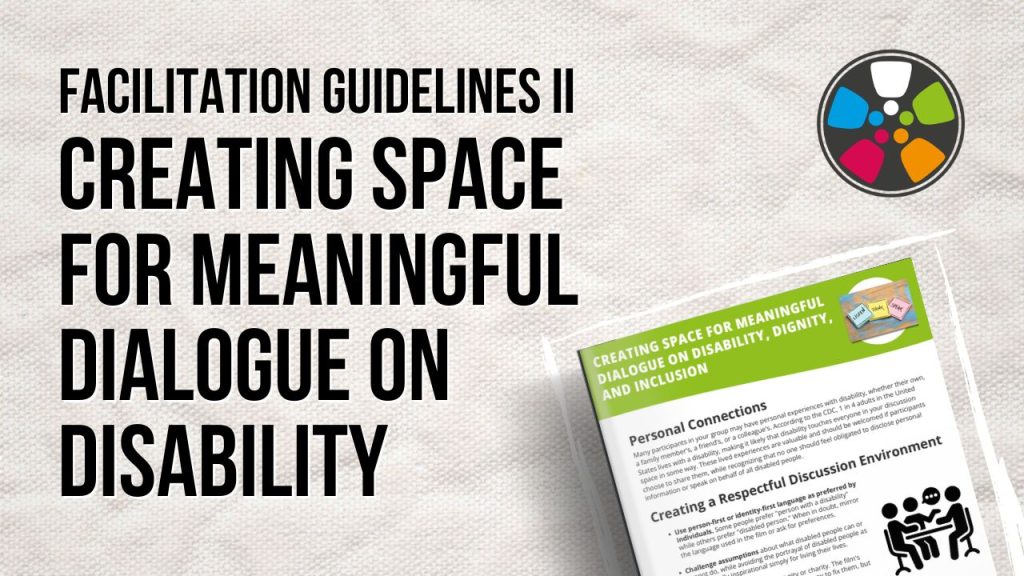
These tips can help you create safe space for discussing disability in a respectful and accessible environment.
This lesson from the Crip Camp Curriculum Guide explores the power of language in the context of disability and ableism. It also invites participants to create a Group Agreement on rules for forthcoming discussion.

Receive the latest updates on new educational resources, upcoming films, and exclusive insights into how film can transform teaching and learning.
No spam. Just free teaching resources. We do not share or sell your data. View Privacy Policy