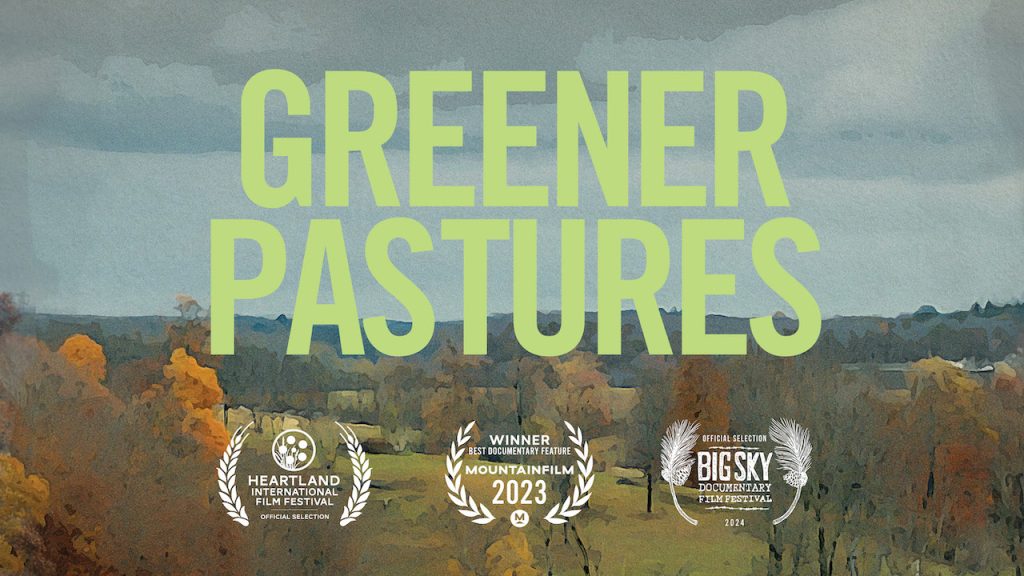
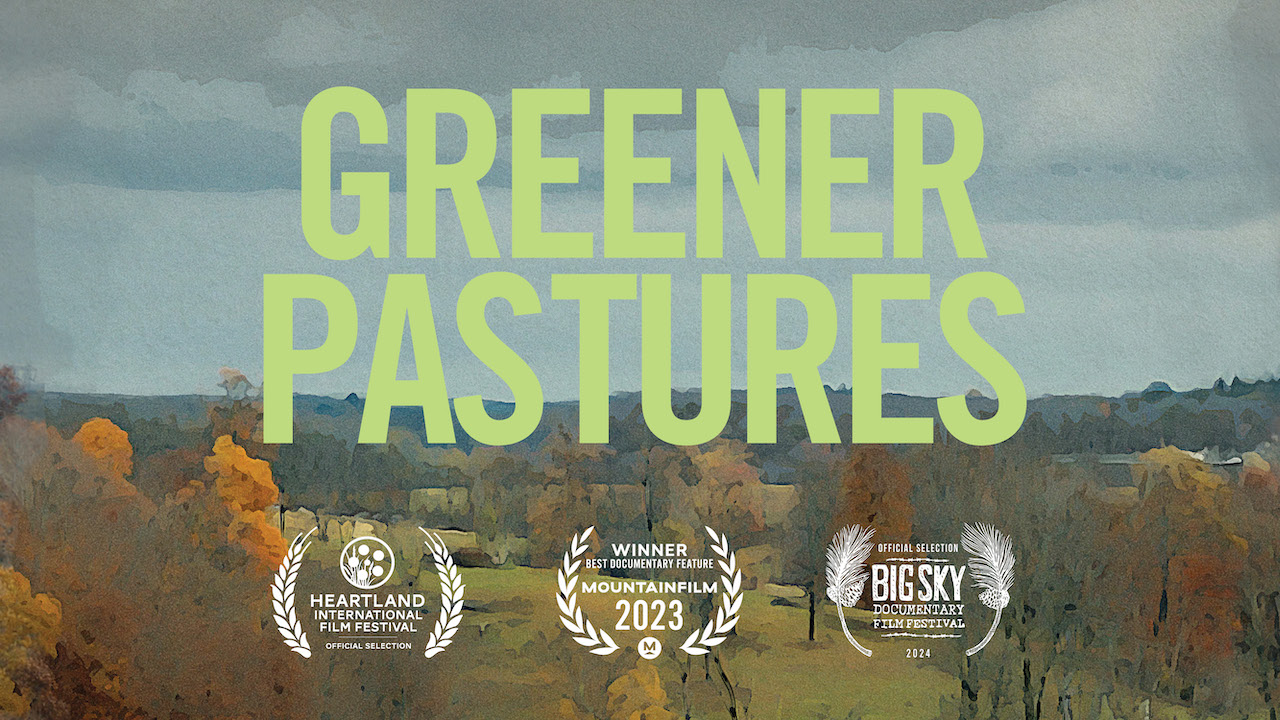
Journeys in Film sat down with filmmaker Sam Mirpoorian, director of Greener Pastures, Safe Place, Saving Superman, Sonnie and other films, as part of a project with the Library of Congress: “Stories That Connect: Using Film and Primary Sources to Build Belonging.” Building belonging happens with students see themselves represented in the stories we share and when they are offered windows into communities that are different from theirs and are able to practice empathy. As such, we’re shining a light on GREENER PASTURES and Indiana born and raised and based filmmaker Sam Mirpoorian.
Meet Sam Mirpoorian, Midwestern Award-Winning Filmmaker
Of Iranian heritage, Sam Mirpoorian grew up in Indiana and has gravitated toward rural Midwestern stories during his filmmaker career. For Sam, these stories are part of the fabric of his life. As such, making films that reflect rural and Midwestern experiences, in many ways, felt inevitable. His work offers important representation and amplifies voices that can often be overlooked, especially given the reality that New York City and Los Angeles are often viewed as the entertainment centers of the United States.
Mirpoorian’s short film Safe Place, about a traffic arrest gone terribly wrong in Draper County in Indiana, was acquired by The New York Times as part of the Op-Docs series. Journeys in Film created educational resources for the film, which is appropriate for collegiate learners and adult educational settings.
Greener Pastures: Telling a Rural Story, Winning an Emmy
His feature documentary film Greener Pastures offers “an urgent and intimate look at American farming at the intersection of climate change & a mental health crisis,” through an intimate look at the experiences of Midwestern farmers. The film was acquired by PBS’ Independent Lens and received a 2025 Primetime Emmy® Television Academy Honors Award. Journeys in Film created educational resources for the film. The film and resources are appropriate for Grades 8 and up.
At the root of Greener Pastures was Sam’s curiosity around news stories he was hearing about farmers and agricultural workers. NPR ran a story specifically on the high rates of suicide among farmers and agricultural workers and Sam felt compelled to understand WHY this was happening.
“I took a leap of faith. I went to union meetings and farm bureau meetings. It took courage to go into these spaces as an outsider.”
Sam stressed that it was challenging and nerve wracking. However, with a bit of charm, humor and honesty, he was able to build the types of relationships that would make the film a success.
One of the first films that Sam worked on, at age 19, was a film about homelessness in Indianapolis. It was through this film experience that Sam came to understand the power of film as a tool for action and engagement. The film was used as a fundraising tool for an engagement center and helped get a local resolution passed to support the homeless in Indianapolis. Similarly, he worked on a climate film about a local youth movement, which led to a policy change regarding municipal land, but it was through Greener Pastures that Sam began to understand more deeply the impact that human stories can have. Sam speaks about winning an Emmy:
“Winning an Emmy award, specifically for impact, helped me understand what was possible, and we were able to conduct a 6-10 month impact campaign, which included at SAMHSA (Substance Abuse and Mental Health Services Administration) screening and a campaign at the University of Pennsylvania.”
Celebrating Agricultural Workers, Educators, and Healers
Sam’s life experience and filmmaking experience has underscored for him the foundational importance of individuals in our society that nurture. He views farmers and agricultural workers, educators, and healers (healthcare workers of all kinds) as significant professions that keep our society and communities healthy and strong.
“You have to be healed, fed, and taught to have a successful ecosystem.”
In making Greener Pastures, Sam is shining a light on the realities facing individuals who feed us and, through the partnership with Journeys in Film and the educational resources created for the film, we are inviting students to reflect on healing, food systems, and education. Additionally, the film and resources provide opportunities for learners outside of rural areas to understand and empathize with the challenges that currently exist in those communities.
Representation Matters
Often media representations are focused on coastal regions and/or urban centers, making rural representations and stories important not only for cross-cultural understanding, but also valuable as they allow students from these backgrounds and regions to see themselves or their community’s experiences reflected on screen. Sharing the film with students can help them to dream big and imagine new possibilities.
“Even the small things I’ve been able to accomplish are things I never thought would happen to me, here in Indiana.” – Sam, on dreaming big, in a small place.
As you support your students this school year, Journeys in Film invites you to watch Greener Pastures with your students to explore environmental education, social emotional learning, community service learning, health, family traditions and more.
Watch the trailer and download Journey in Film’s discussion guide here.
Related Library of Congress Resources

Eddie Harris, Indiana farmer, interview conducted by Anna-Lisa Cox, 2019-07-25
Teaching with the U.S Local History Collection
Keep Connected, Support Teaching With Film
To stay up-to-date on new resources from Journeys in Film when they become available, join our mailing list.
We invite you to donate and support the work of Journeys in Film here.